03/10/20 - 17/01/21
A look at the collections, based on "Arbres à Montmajour" (Trees at Mantmajour), a drawing by Vincent van Gogh.
"The sorcerer has passed by and restored nature, but it is a more beautiful kind of nature for having been created by sorcery rather than by nature, and I believe that it is longer-lasting, the kind of nature that could reassure us that we're alive. Van Gogh doesn't make life more beautiful, he makes it different, simply something else"
Antonin ARTAUD, "Van Gogh ou le suicidé de la société" (Van Gogh or Societ's Suicide), 1947.
Seeking to escape Paris and its hectic lifestyle, Vincent van Gogh moved to Arles in February 1888. After wandering around for a while, the Dutch artist found himself in full command of his art during this period, strengthened in the certainty of his calling. In July, on the site of the former Montmajour abbey, not far from the Provençal town of Arles, he completed a series of large format drawings considered by specialists in the Dutch artis's work to be one of the highlights of his drawn work. These include "Arbres à Montmajour" (Trees at Montmajour), now preserved at the Museum of Fine Arts in Tournai. This exceptionally spontaneous work reflects the sincerity with which van Gogh uses his art to express a sensitivity to nature tinged with his own personal experience.
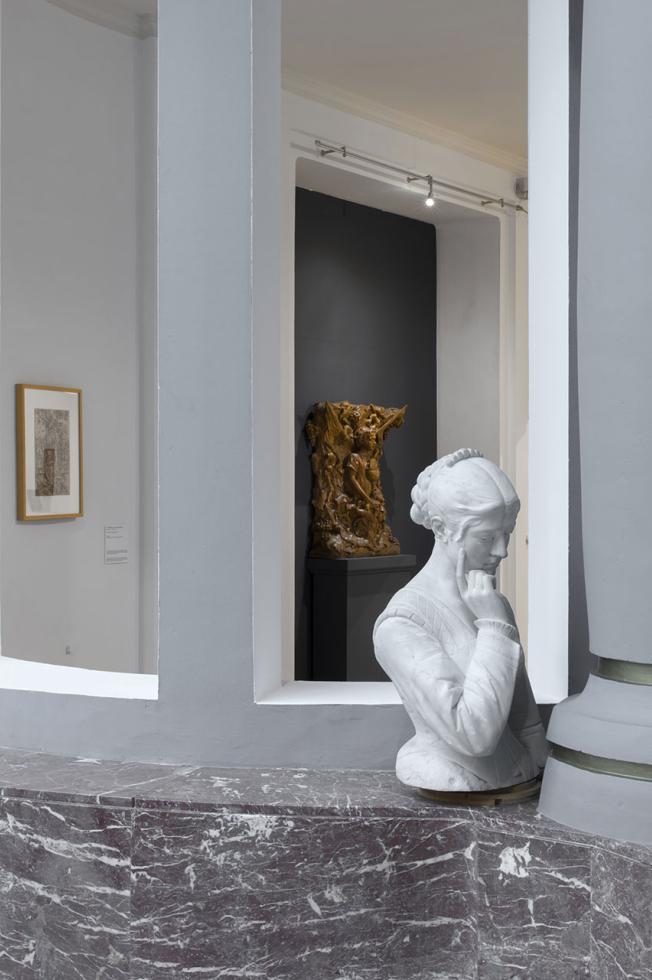
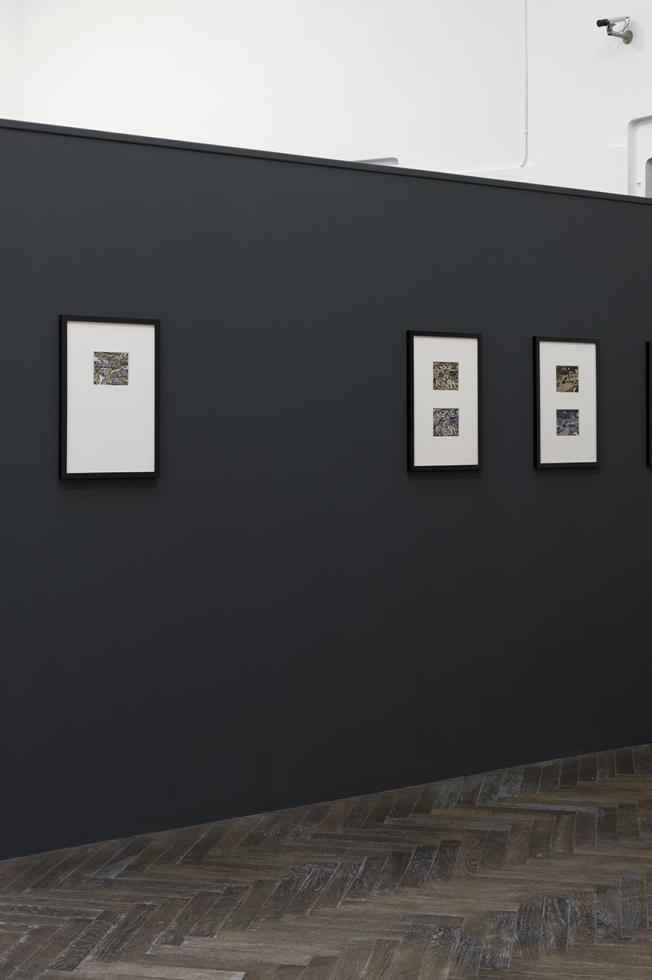
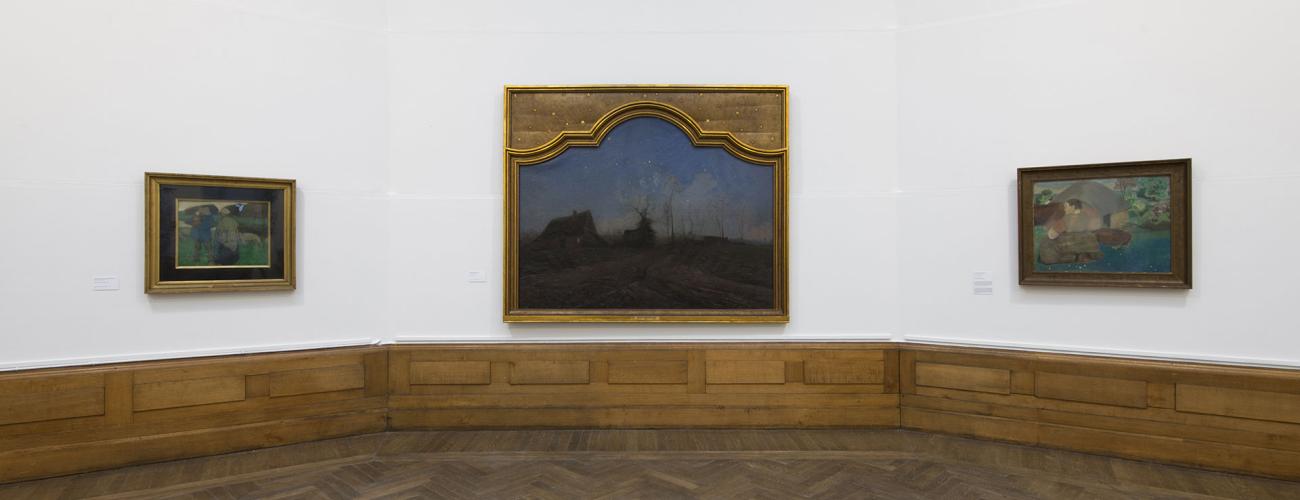
The new exhibition, based on a major work of art in the collections, addresses the sensory and sensual nature of the world, which the artists share with the viewer. From fleeting landscapes to a social vision of the agricultural world through to botany, the exhibition offers an original insight into nature as a living space for human beings. Interweaving genres and periods, it provides a new opportunity to rediscover little-known aspects of the collection.
Paradis perdu
This album contains 8 items.